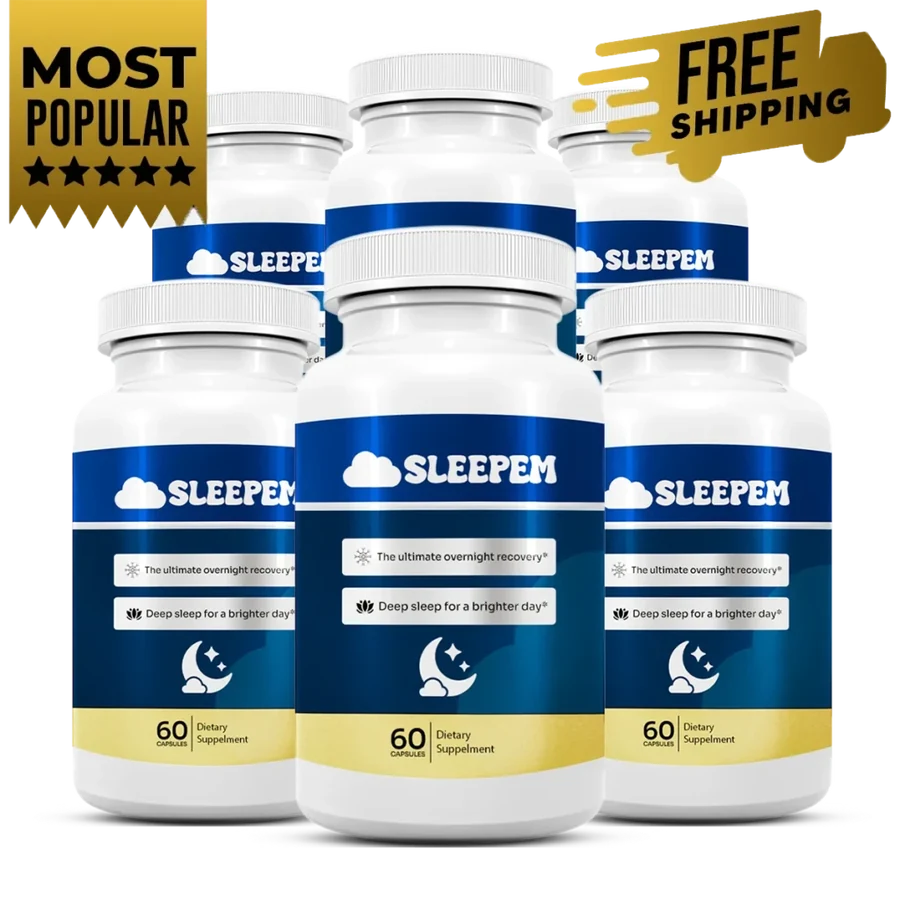
Melatonin Dosing, Explained: Why More Isn't Always Better
At 10mg, Sleepem's melatonin dose sits at the higher end of what's commercially available — and higher doesn't necessarily mean better sleep support.
Understanding melatonin's actual dose-response research helps set realistic expectations for this ingredient.
What the research actually supports
Melatonin is the most-studied ingredient in the sleep-support category. The National Center for Complementary and Integrative Health notes that melatonin has been studied primarily for jet lag and shift-work sleep disruption; research on its effectiveness for general insomnia shows more variable results. Background is available from NIH's NCCIH.
Why 10mg is considered a 'higher' dose
Standard over-the-counter melatonin doses typically range from 0.5mg to 10mg. Many sleep researchers and clinicians suggest that doses as low as 0.5mg to 1mg are sufficient to support the body's natural sleep-wake signaling, and that more is not always better when it comes to melatonin specifically — unlike many supplements where a higher dose straightforwardly means a stronger effect.
The 'melatonin hangover'
This term refers to next-day grogginess, vivid dreams, or difficulty waking that some users experience after taking higher melatonin doses. None of this means 10mg is unsafe — it is within the range widely sold over the counter in the U.S. — but it is worth knowing before your first night, especially if you are melatonin-sensitive or trying a sleep supplement for the first time.
Applying this to Sleepem
Melatonin is one of three individually-dosed ingredients in Sleepem's formula, at 10mg. See our piece on St. John's Wort and your medications for the formula's other major safety consideration.